Before I tell you all about this new bundle of DAILY CALENDAR MATH for KINDERS, hop over to my store and grab this freebie. It is yours, free, until 1 August!
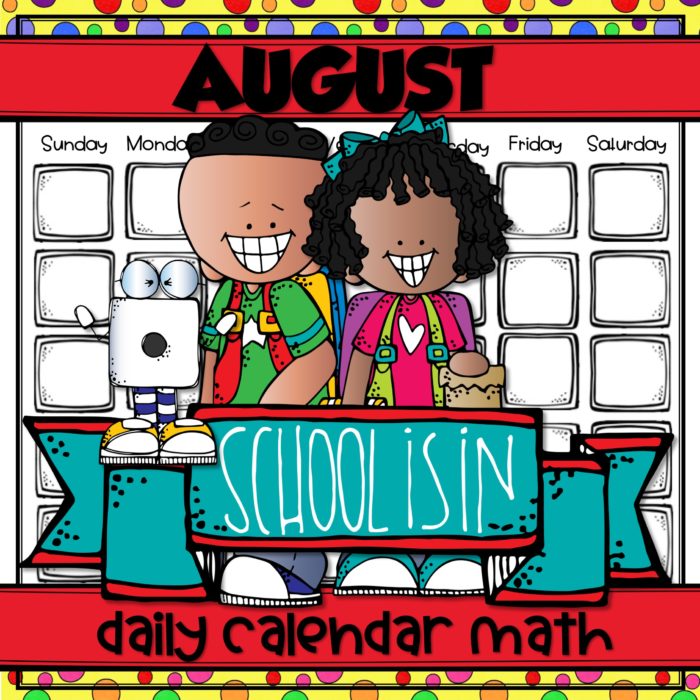
As you download each month, you will notice that you receive 3 files: 1. The DCMK file has all of the student worksheets. 2. The TLK file is a colorful Talk-To file that you can project via your Smartboard, or onto a white board and work the problems with your students. 3. The DailyLabel file has a set of Melonheadz day of the week cards (for your pocket chart calendar) and the yesterday, today, tomorrow cards for that month. These cards use direction and sequence to help teach your kinders a sense of time.
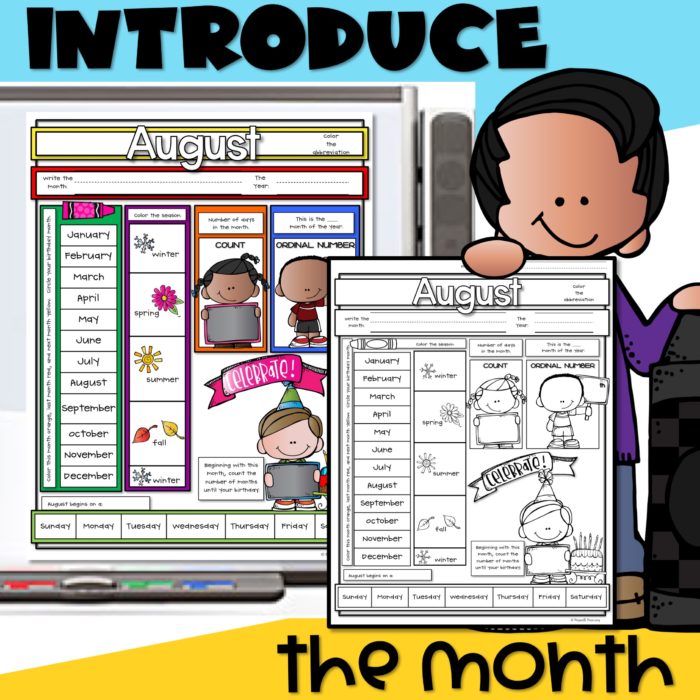
You will begin each month by introducing its essential components: how to spell the month, its abbreviation, its ordinal number, the months before and after it, its season, the year, the number of days in the month, what day of the week the month began and finally, how many months are left until your students’ birthdays.
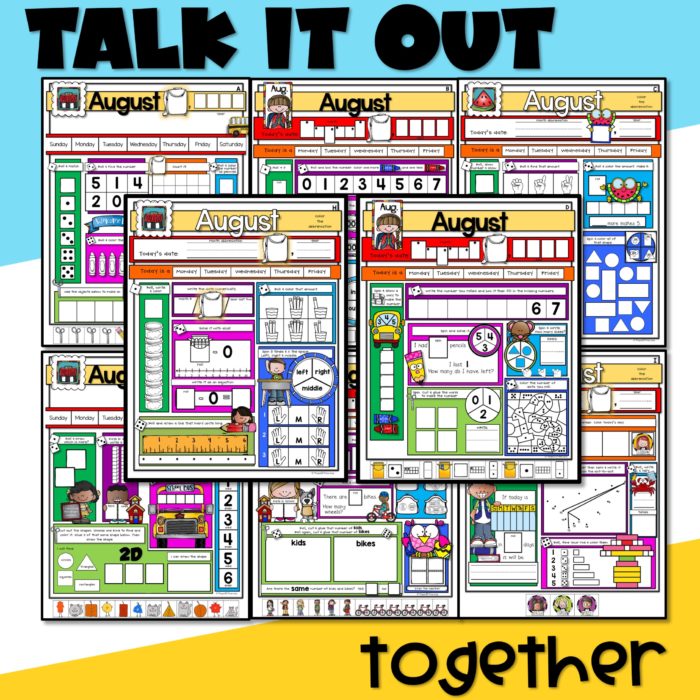
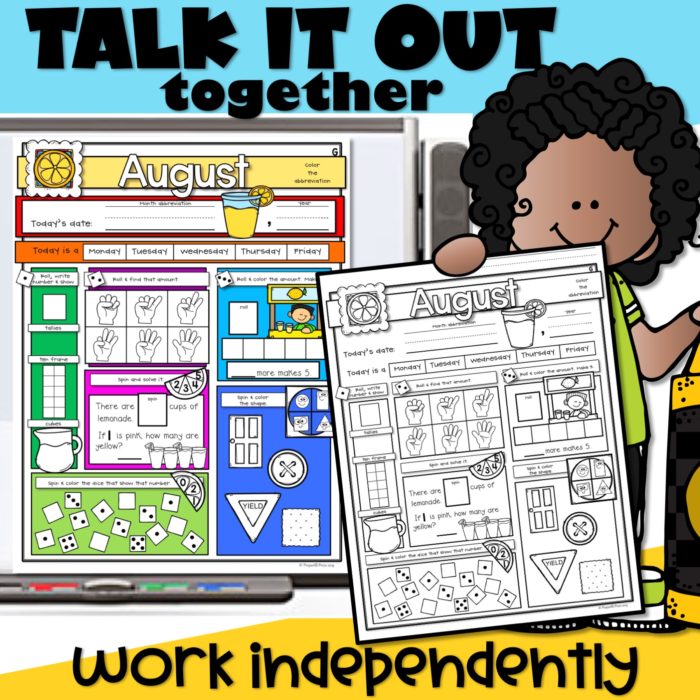
As I mentioned before, each month has a TALK-TO file. These you can project and “fill-in” with your students. Or you can simply use them to go over the directions. These TALK-TO sheets match the ones your students will be completing:
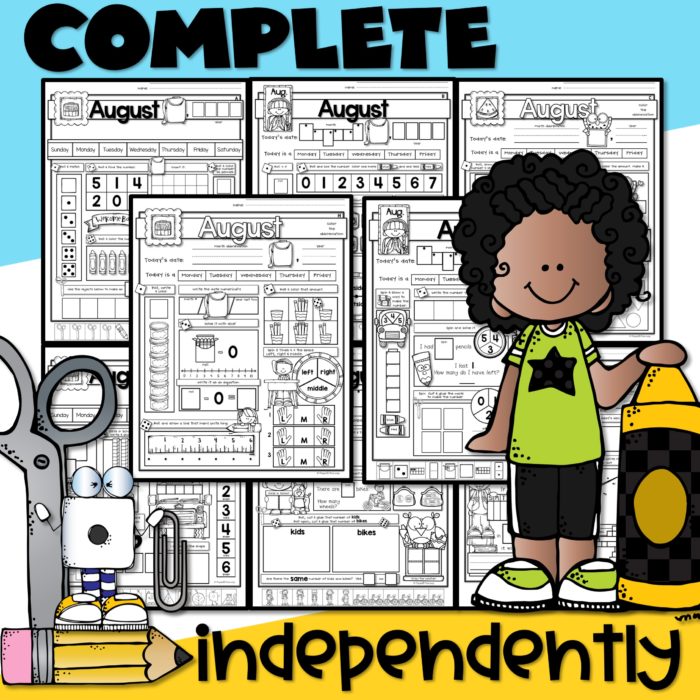
You can use manipulatives to help your students solve the daily math problems. This month focuses on the classroom, so they will count crayons, pencils, math cubes, Cuisenaire rods, Play-doh containers, kids, bikes, their fingers and pennies. They will need a die, paperclip–to spin, scissors, glue, and a crayon or pencil to complete each sheet.
There is at least one sheet each month that has a Cuisenaire rod problem. For August, the Cuisenaire problem focuses on identifying the value of each rod. Future months will ask your students to find rods that are +1 the number they rolled; find rods that =10; color the rods and skip count the number they rolled, etc. So, it would be helpful to have these rods available to build the Cuisenaire image.
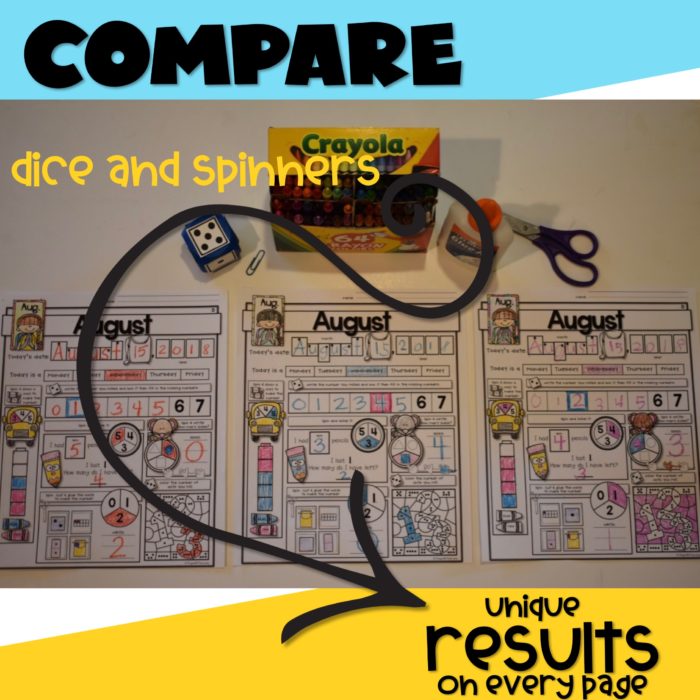
Since every problem uses dice or a spinner, you can re-use these sheets throughout the month–each time with new results. You could also have a small group MATH CHAT and discuss the unique results group of students had on the same sheet.
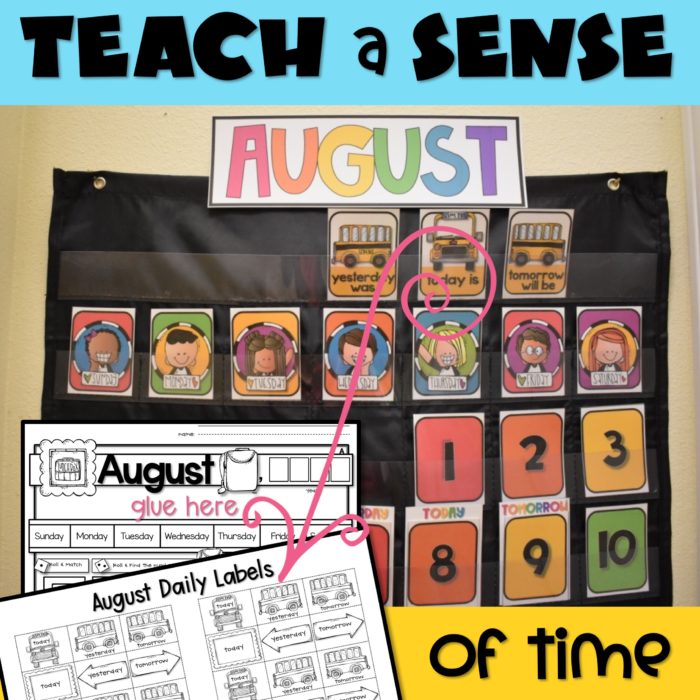
Finally, each month has its own set of daily labels. August focuses on direction, but subsequent months include sequence cards to teach a sense of time. Your students will use the daily labels on a few of their worksheets. But, you can use them with your pocket chart calendar. The calendar we use with DAILY CALENDAR MATH for KINDERS is called the KINDER CALENDAR and it is included in the bundle!
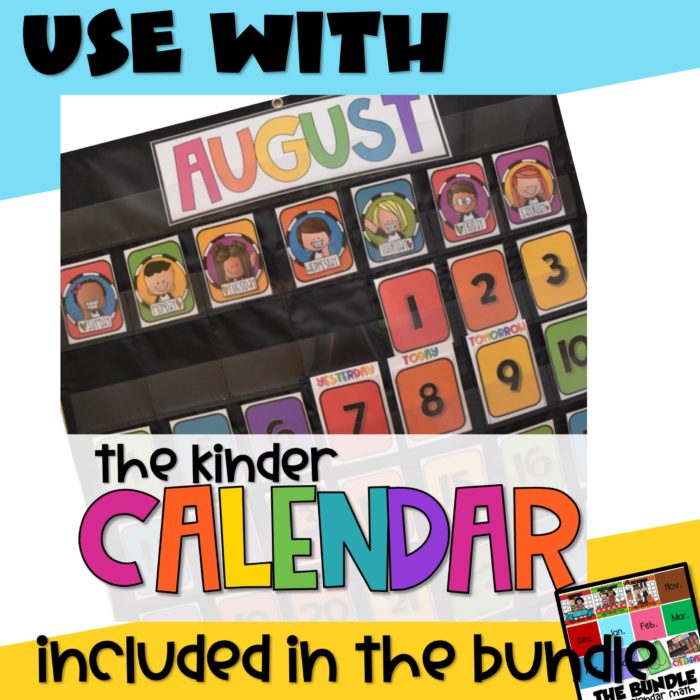
If you haven’t grabbed AUGUST, what are you waiting for? You are going to find this pack is not only a good teaching tool, but also a great way to assess your students’ math skills!
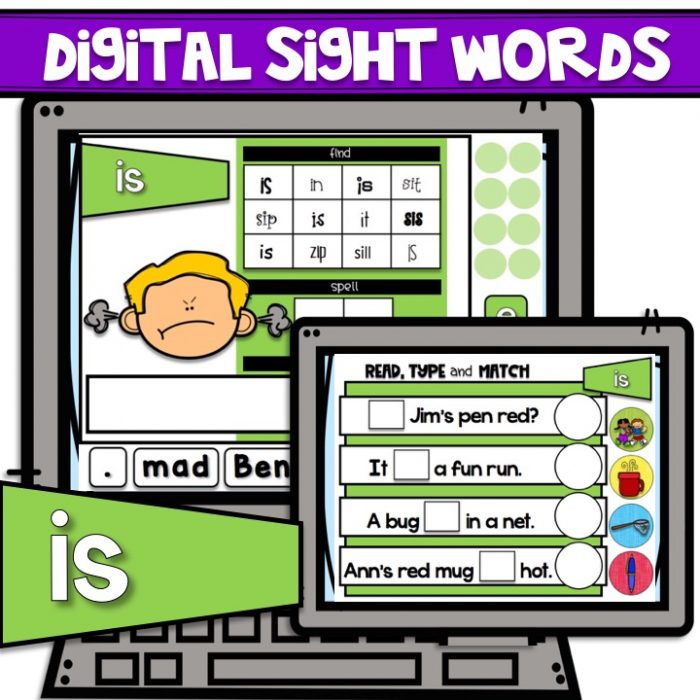
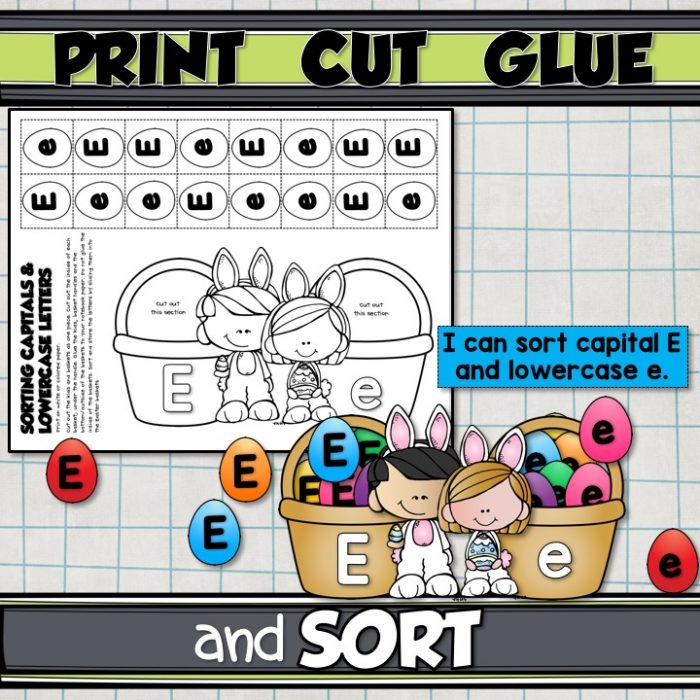
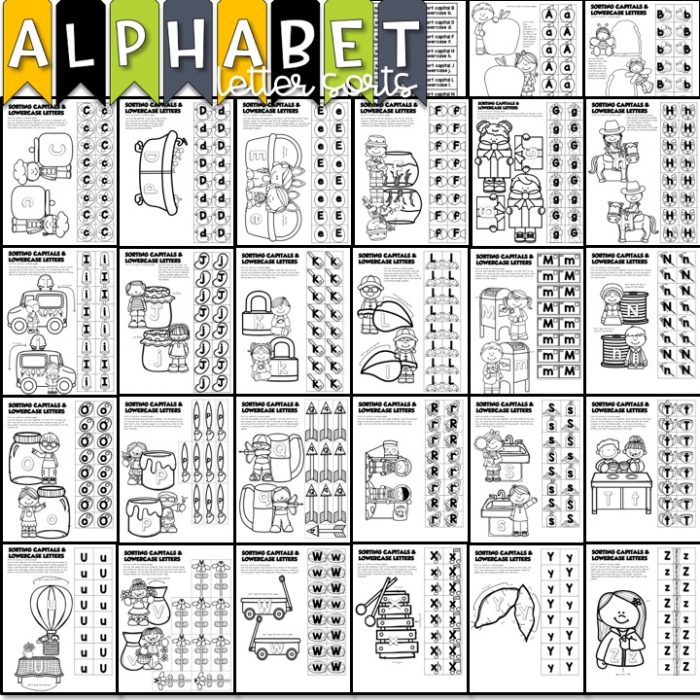

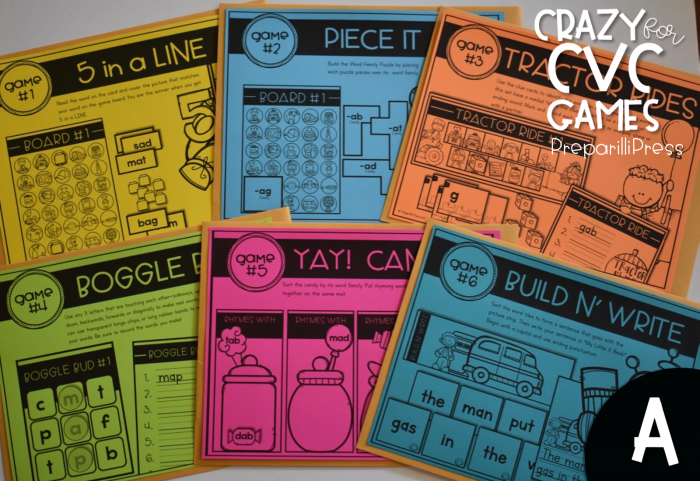

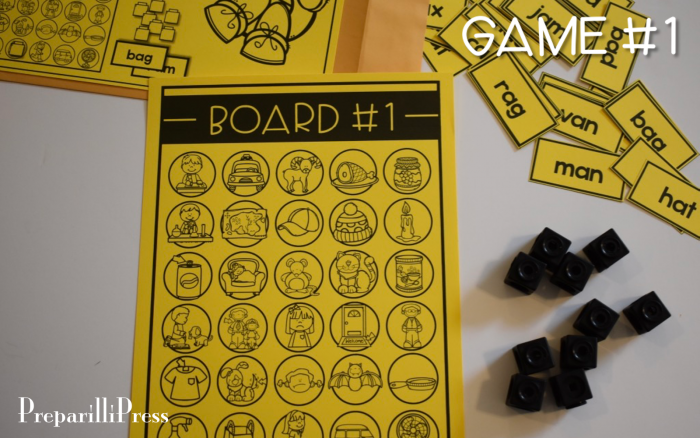
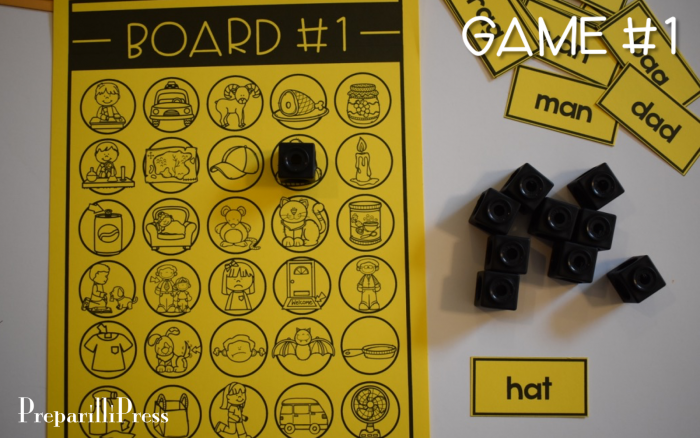



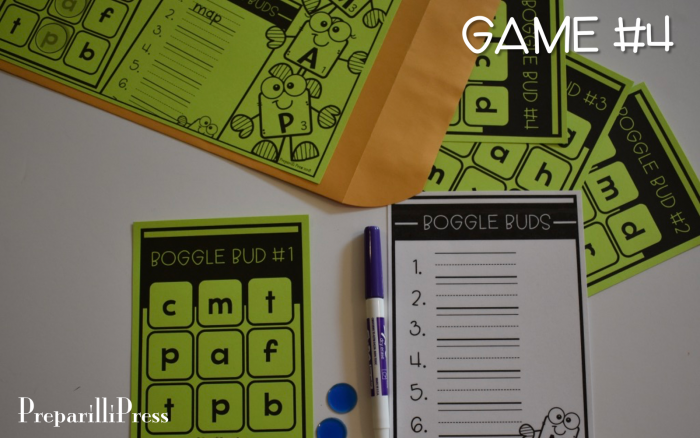
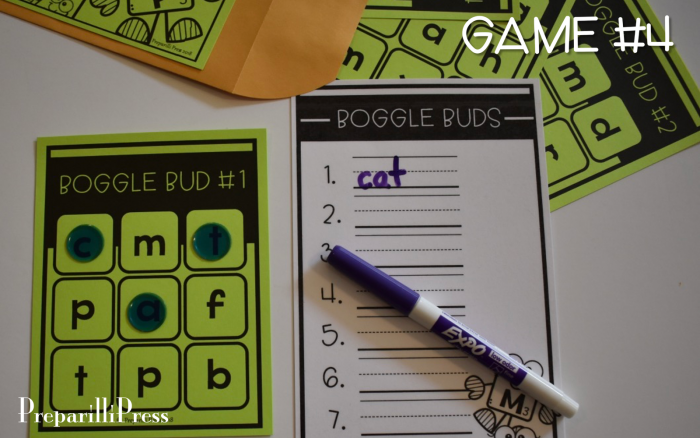

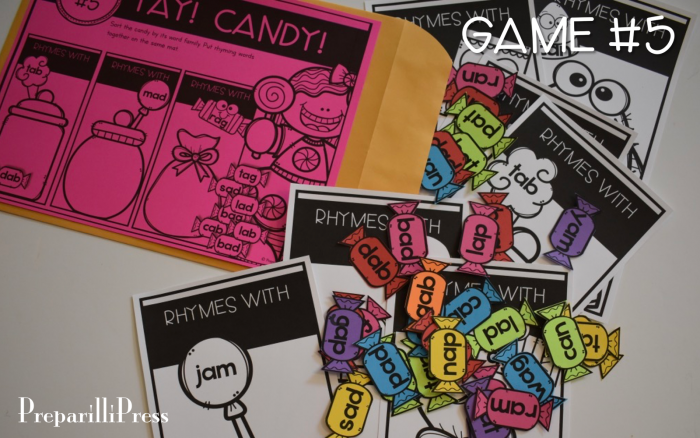
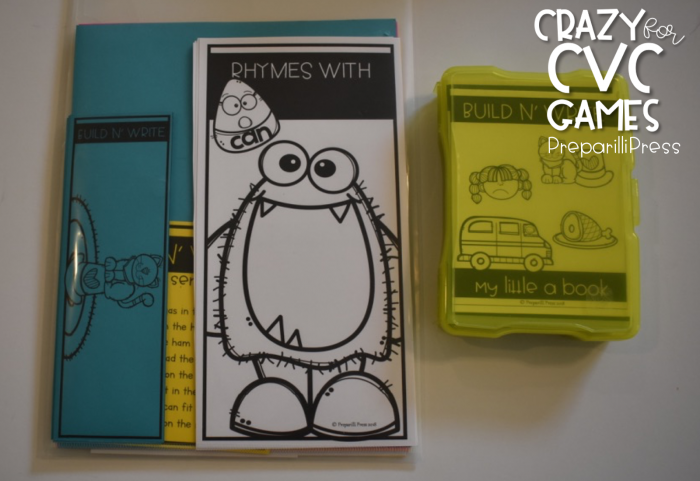
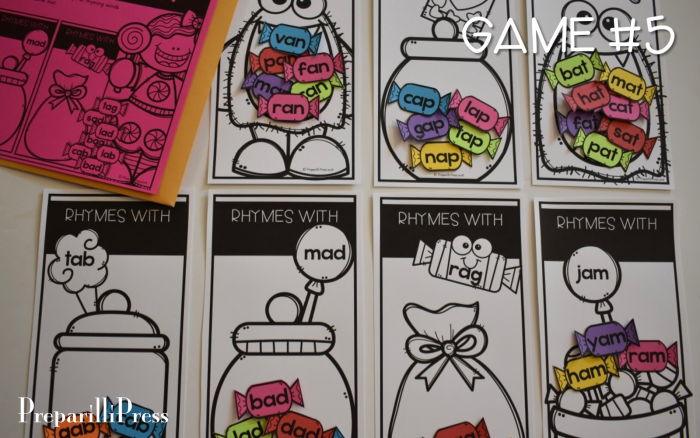 GAME #5 is sure to be a class favorite. Who doesn’t love candy?!? It is really a fun way to practice reading and rhyming words.
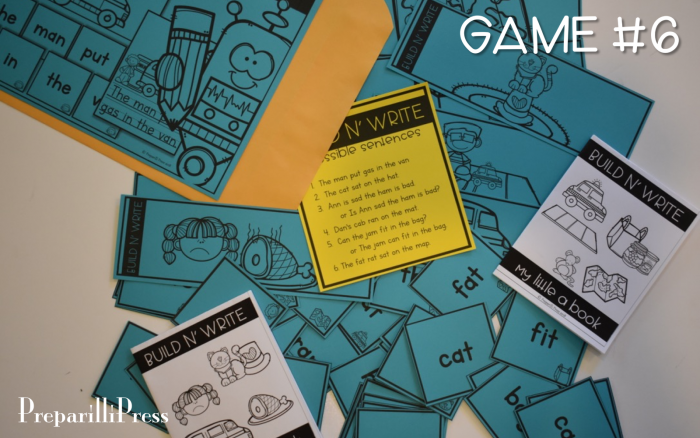
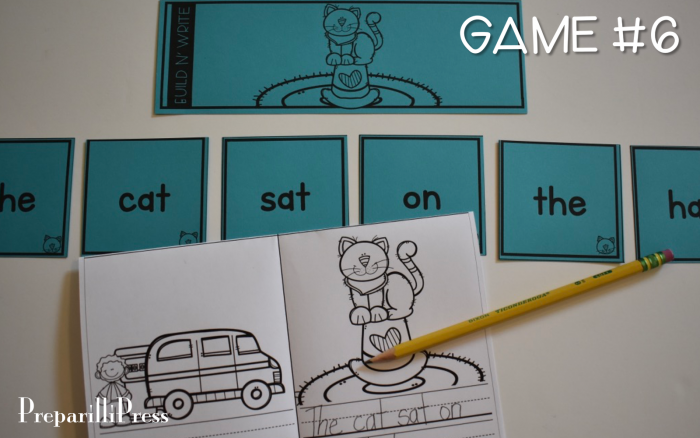

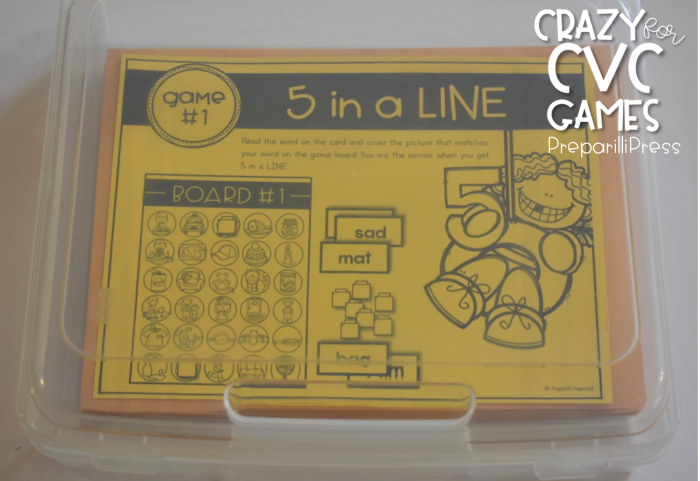
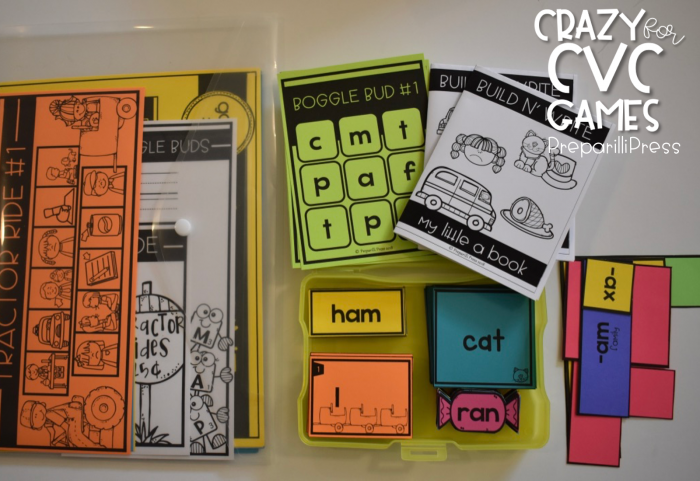

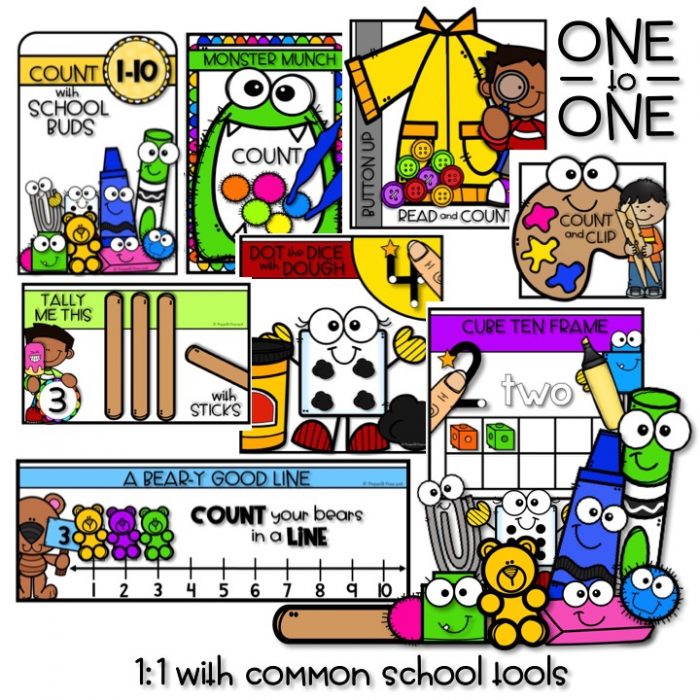 All of the activities in this pack include mats and booklets WITH prompts, for your newest number learners or students that need additional practice, and WITHOUT prompts (so you can assess your students’ learning).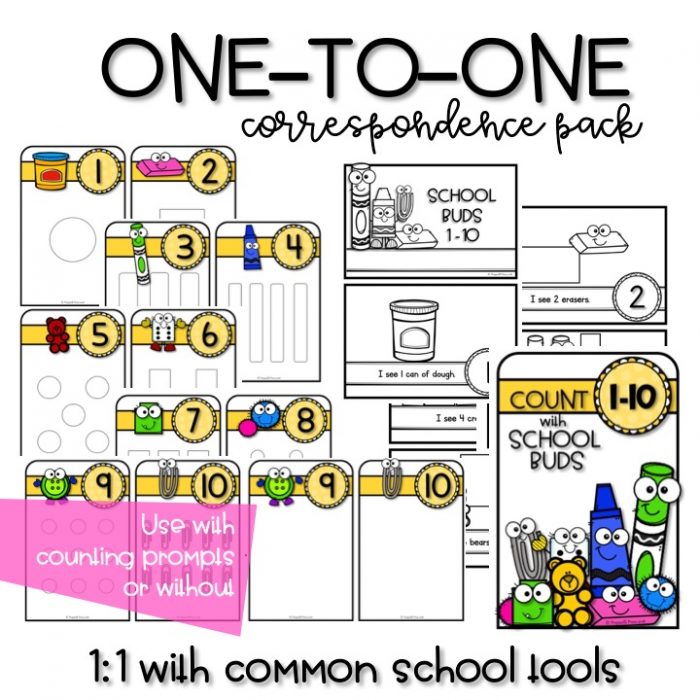
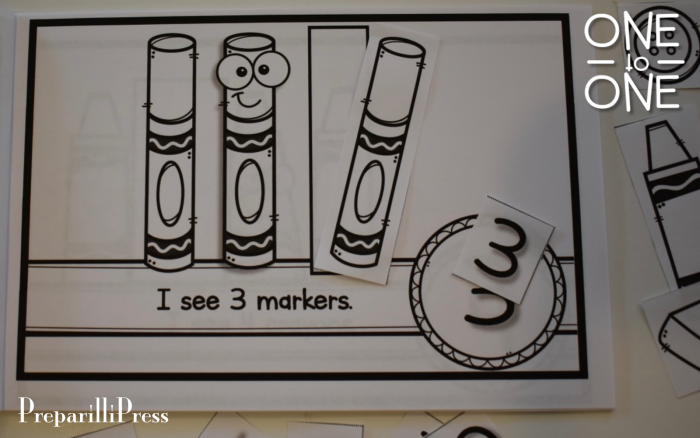
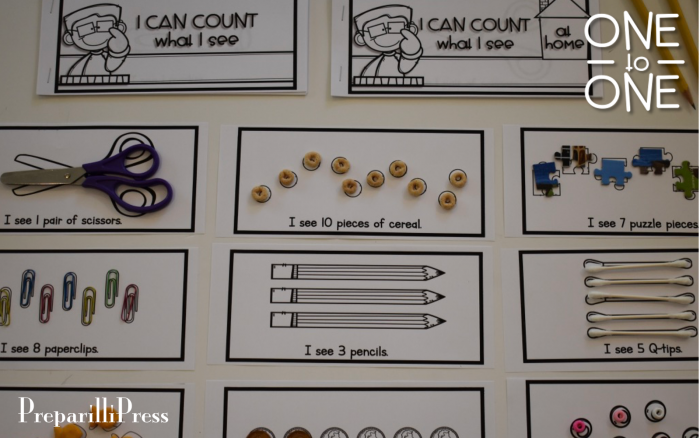
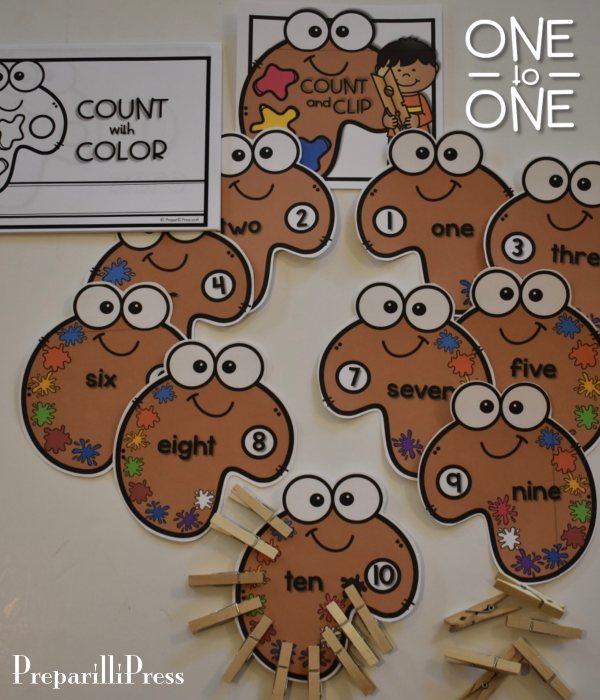
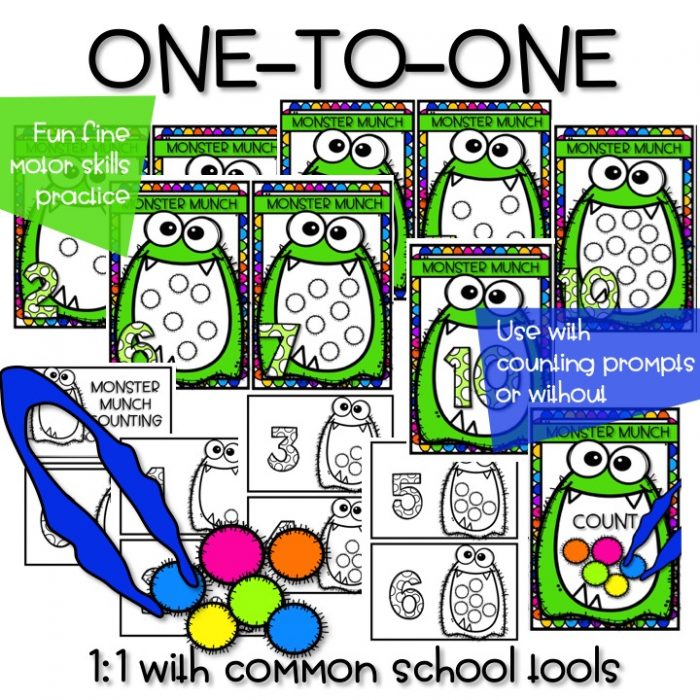
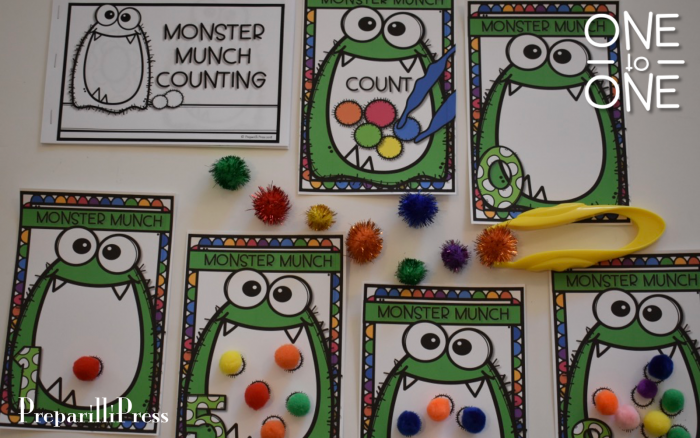
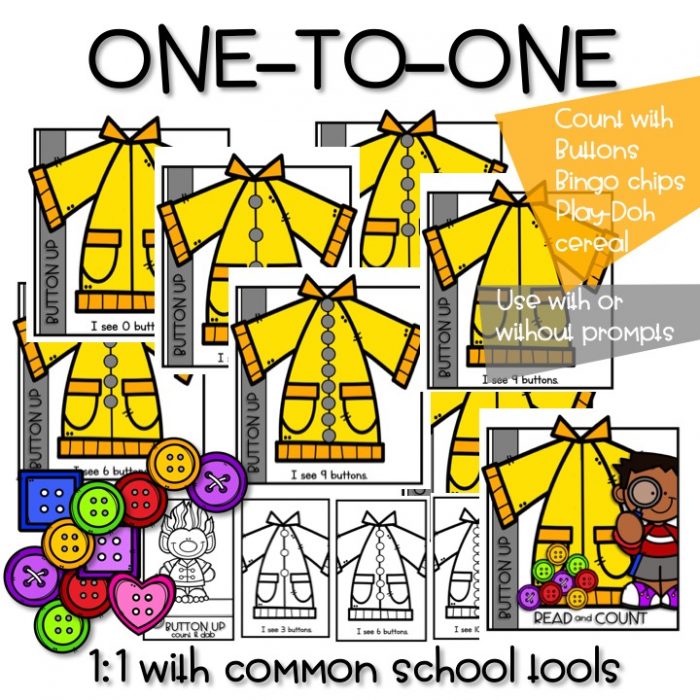
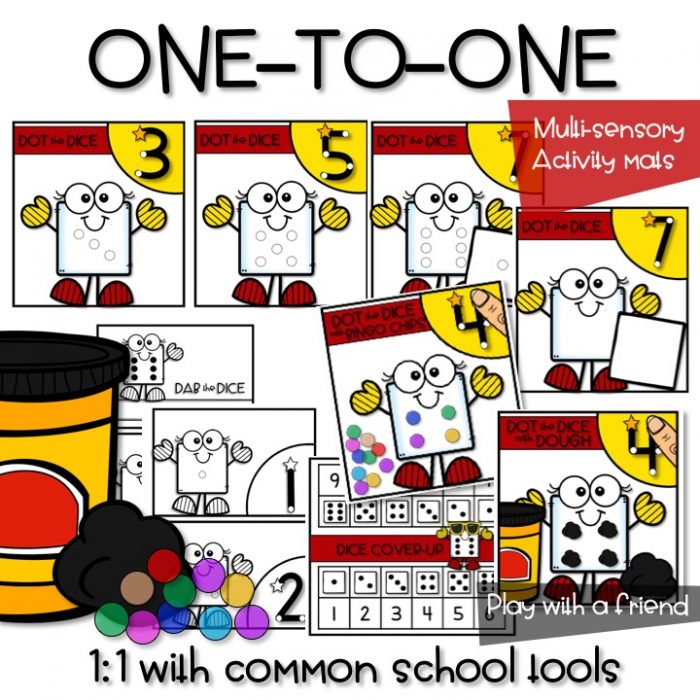
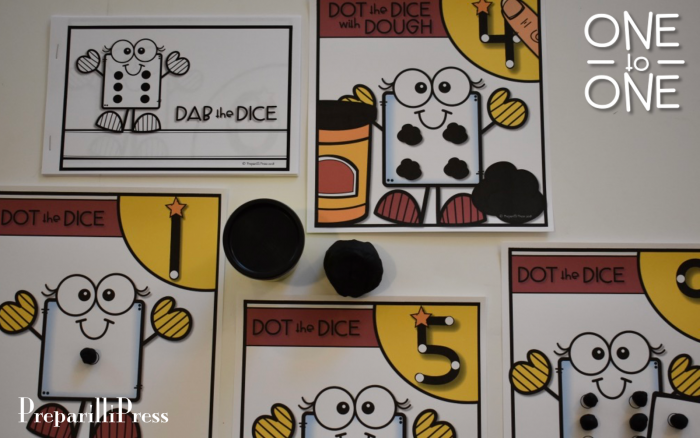
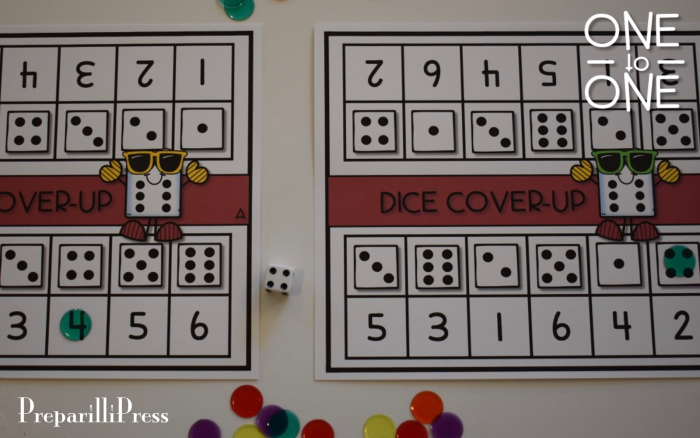
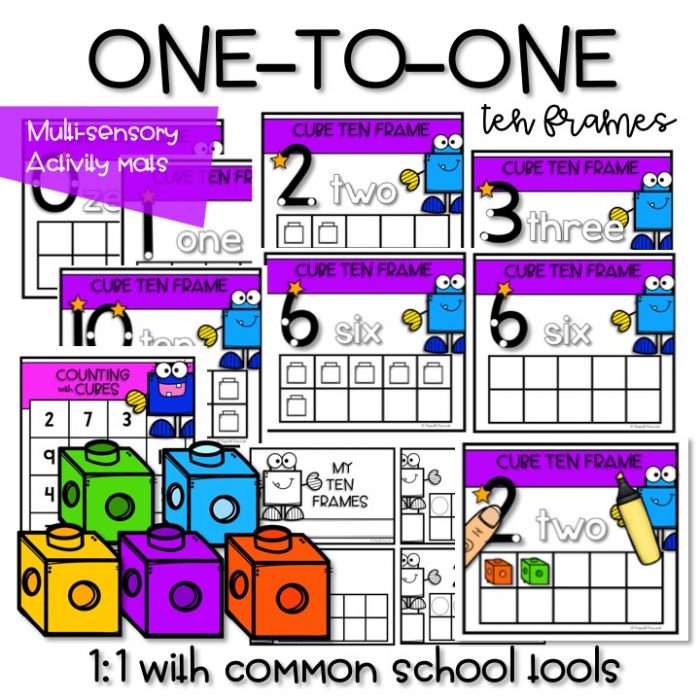
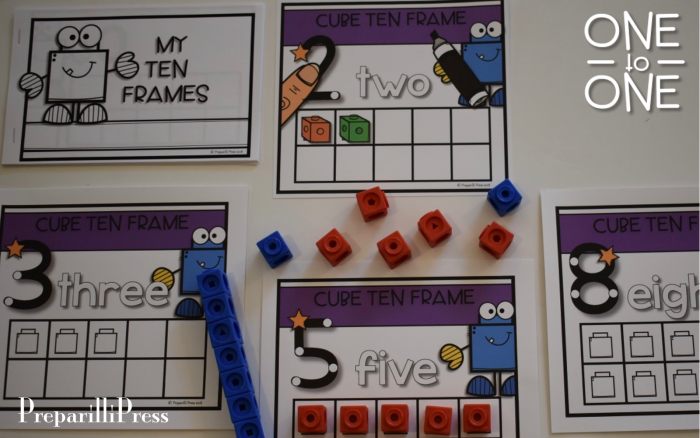
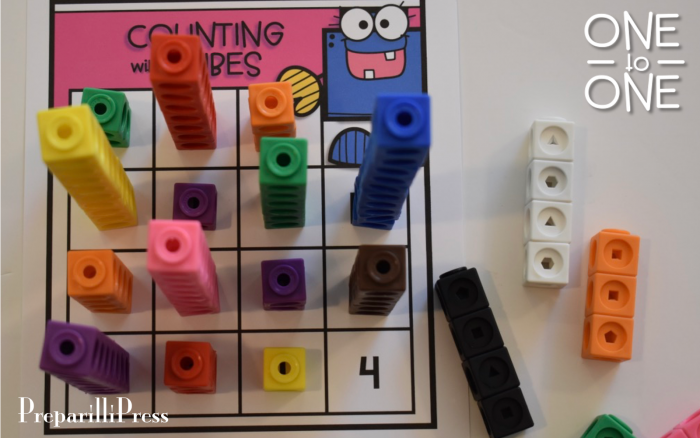
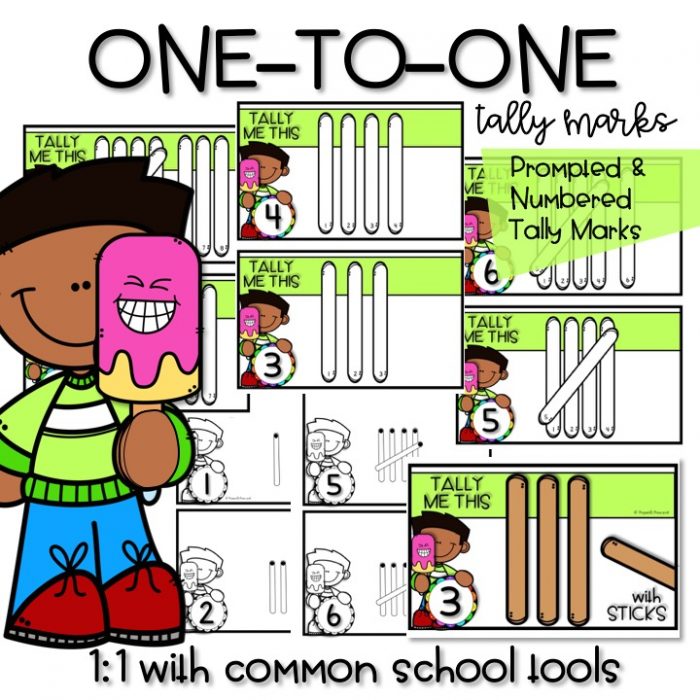
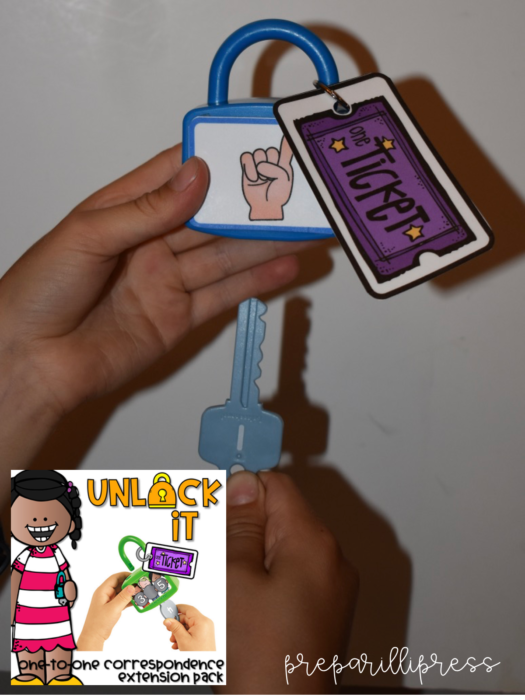
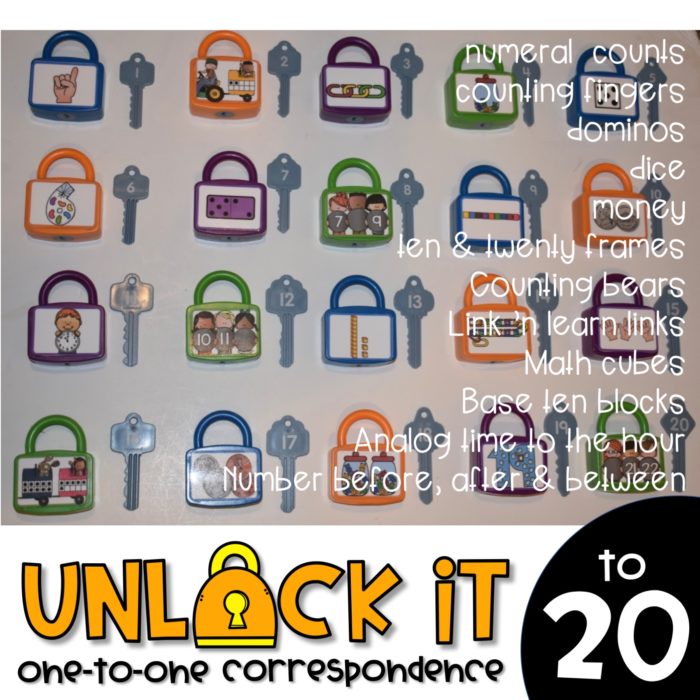
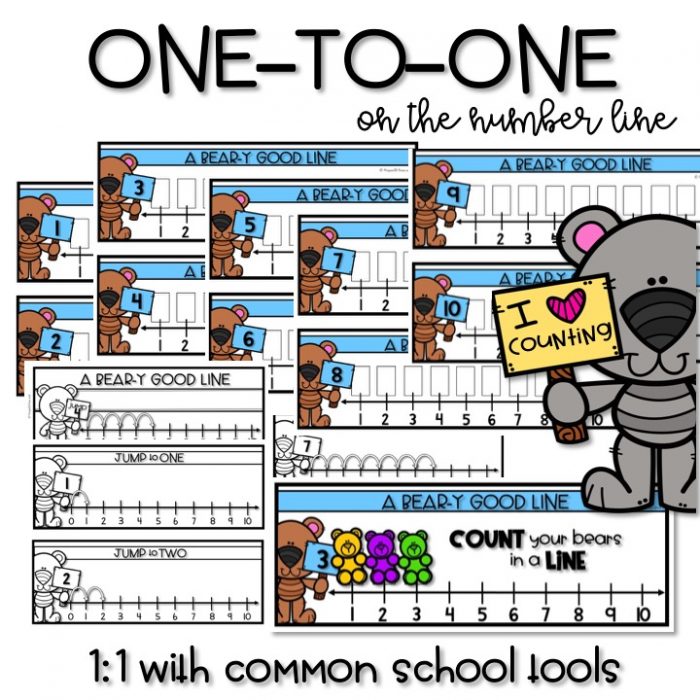 Finally, teach 1:1 correspondence using a Bear-y Good Line (and counting bears).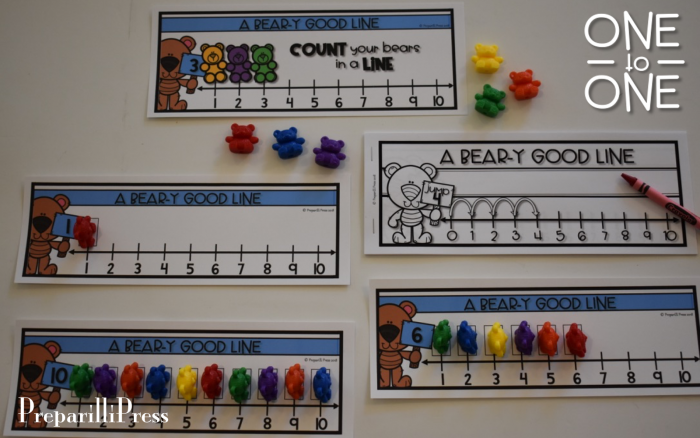

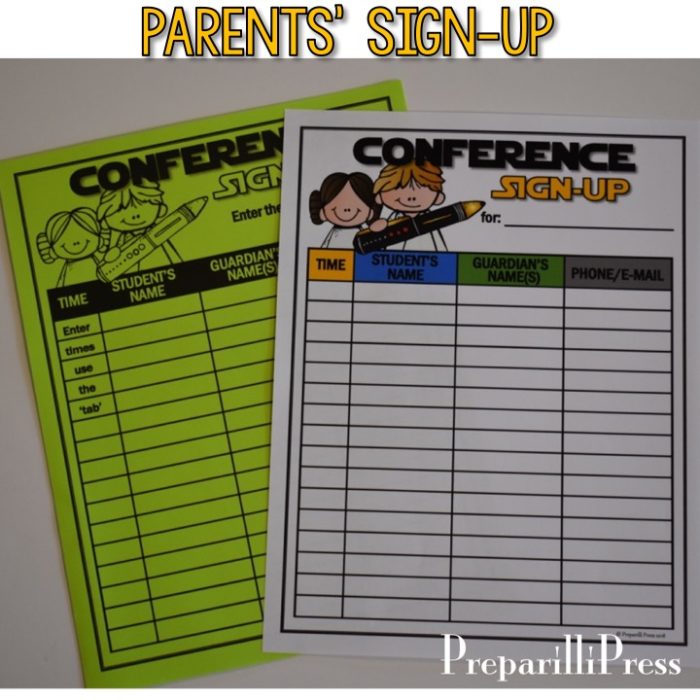
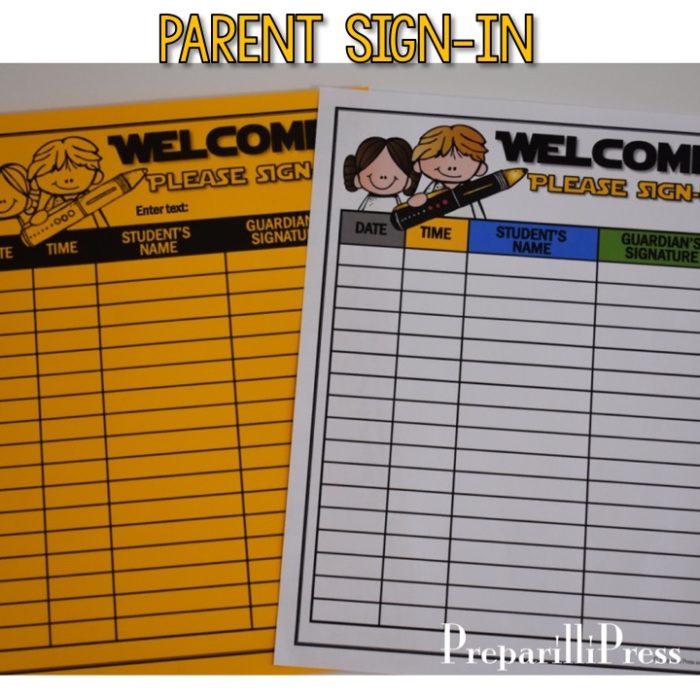
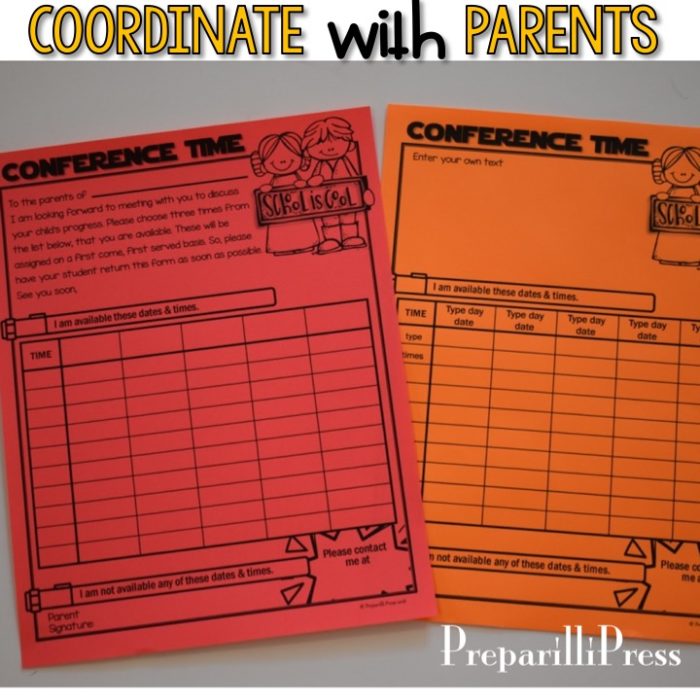 This form you would send home and have your students’ parents give you 3 dates/times that they are available. With the other set of forms (see below) you would set a time/day for each parent to meet with you (based on the sign-up sheet). They would return the bottom half of the form to you with their reply.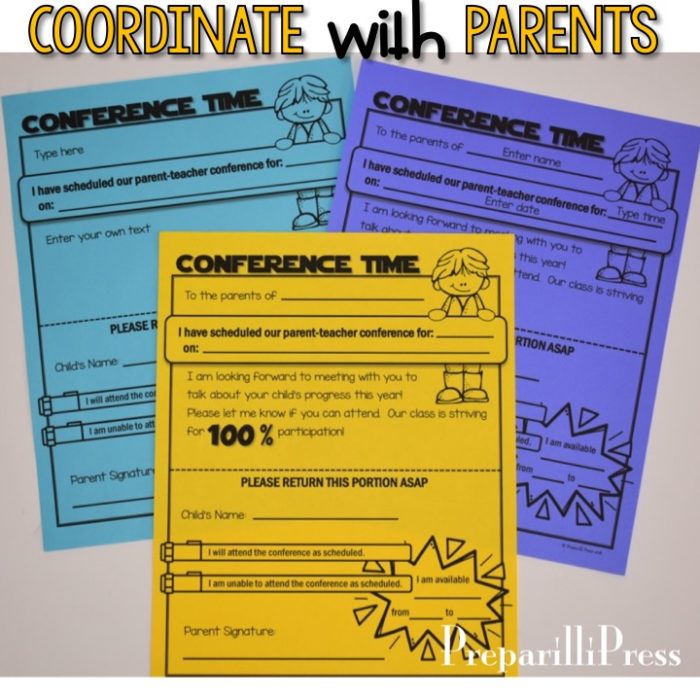
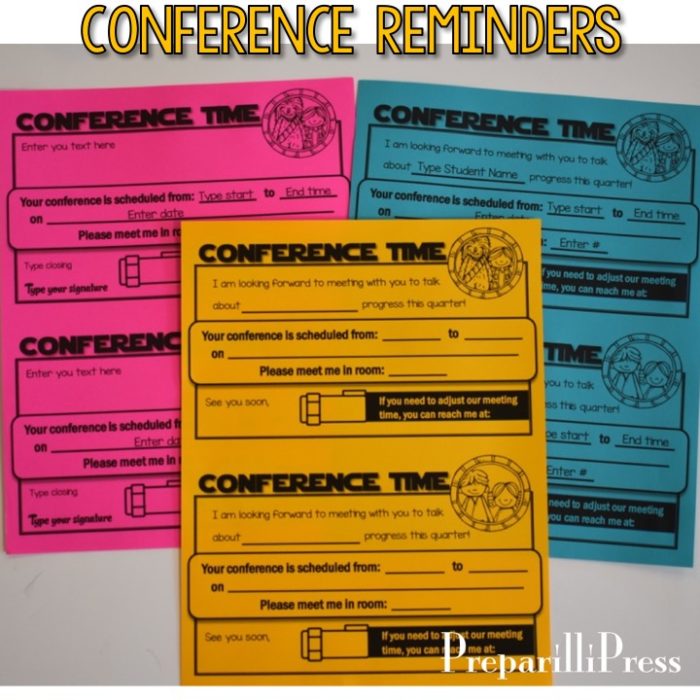
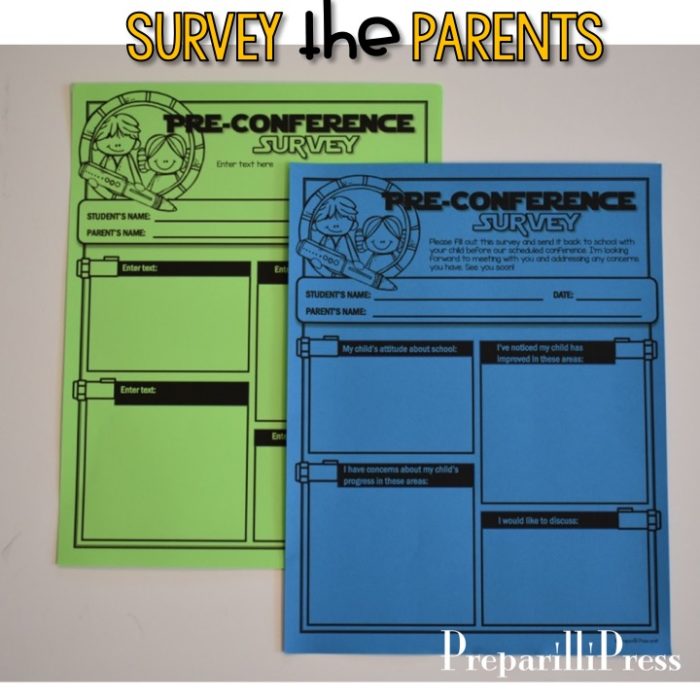
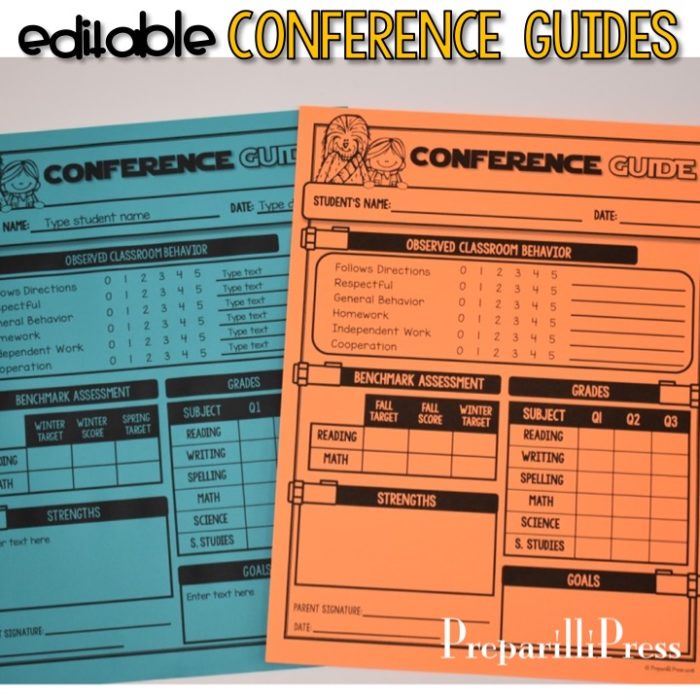
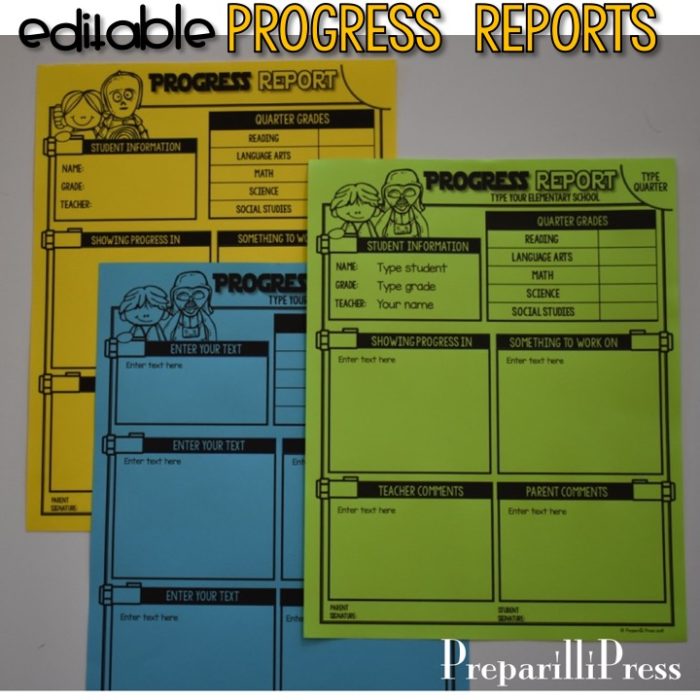
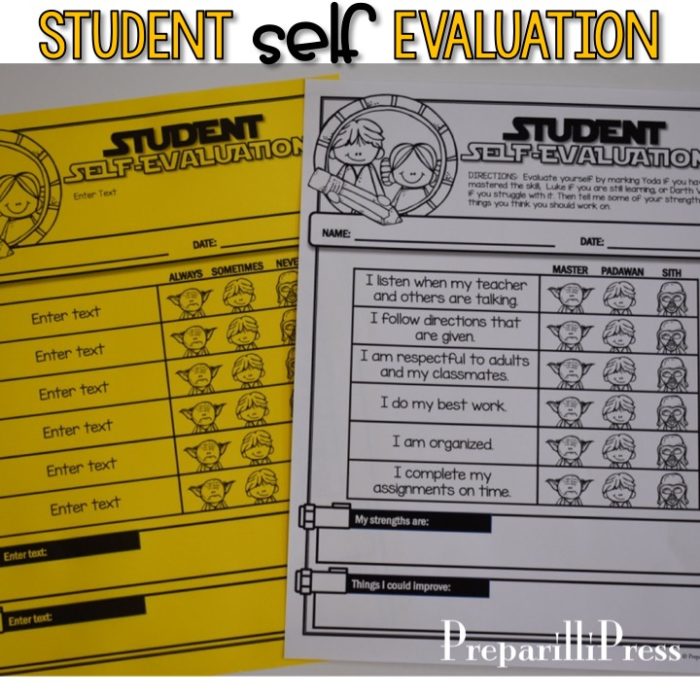 And now, here are the options for gathering all of your data and generating a progress report or student summary. Choose the one that works for you and your students/parents.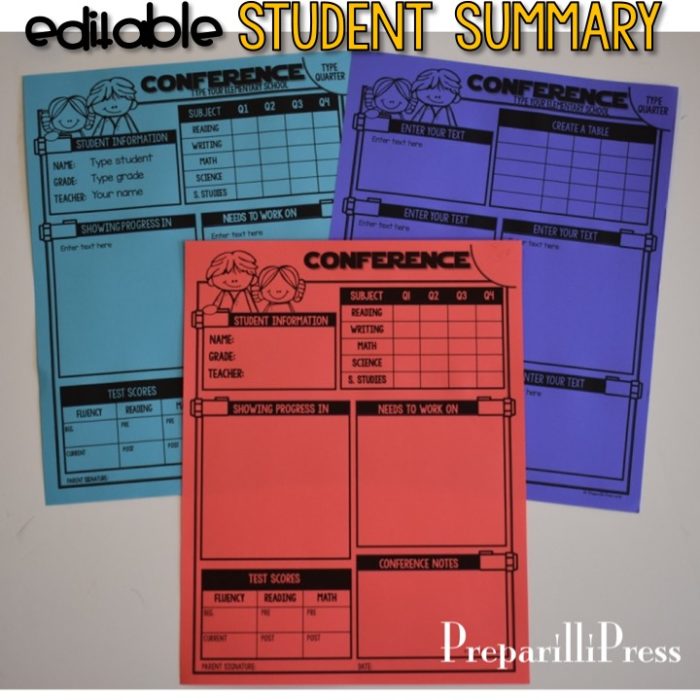
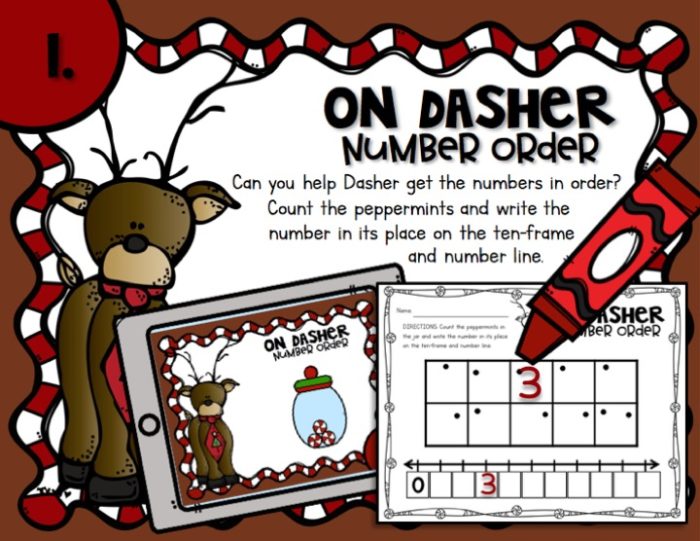 Skills includes: counting, number order, correct number formation
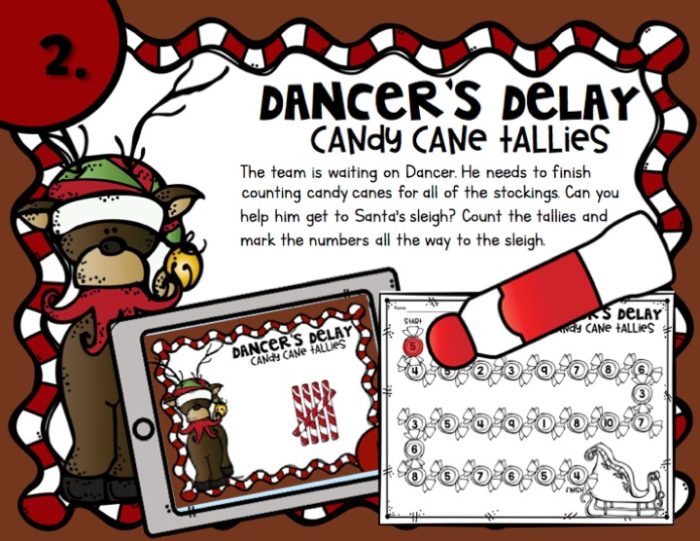 Counting tallies & marking the number they represent
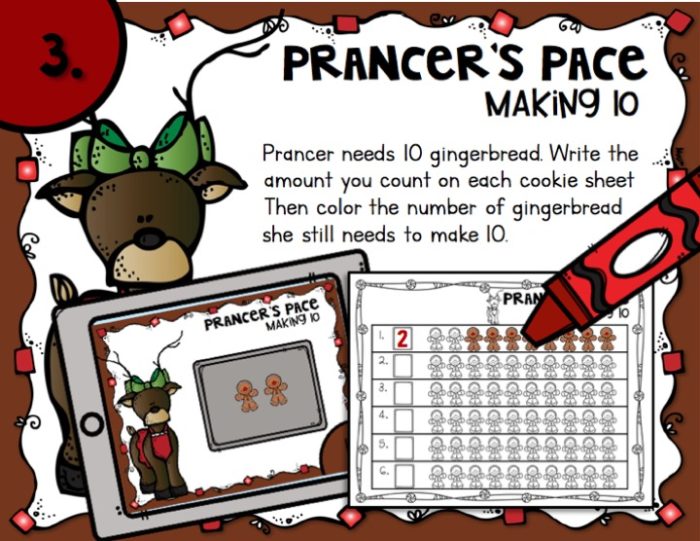 Counting & deciphering the amount left to make 10
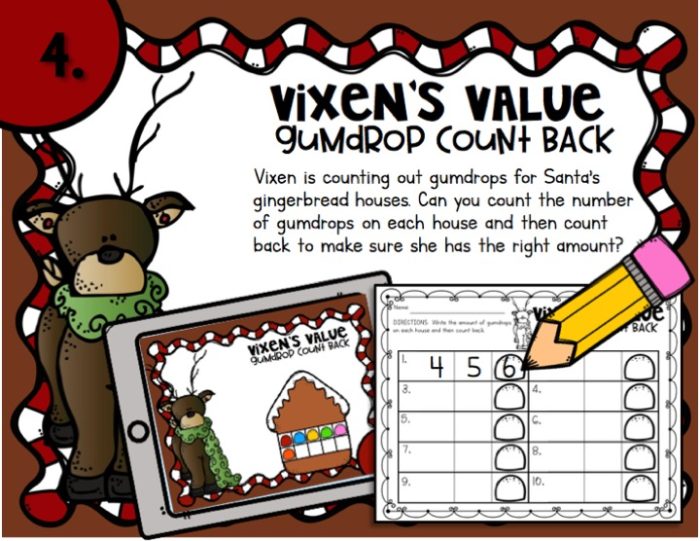 Translating a ten-frame numeral to its number and counting back (0-15).
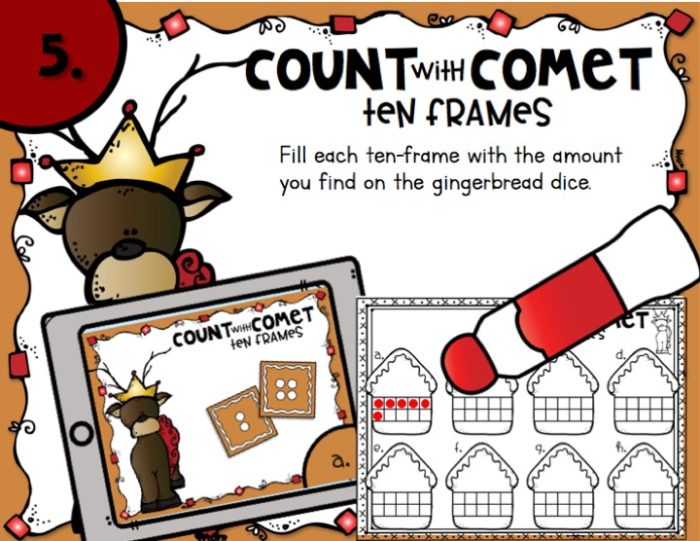 Counting and ten-frame formation
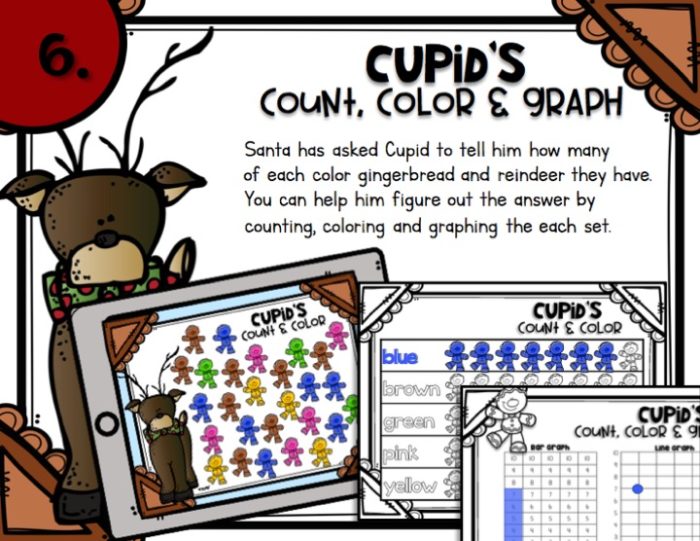 Counting, grouping, graphing (1-10)
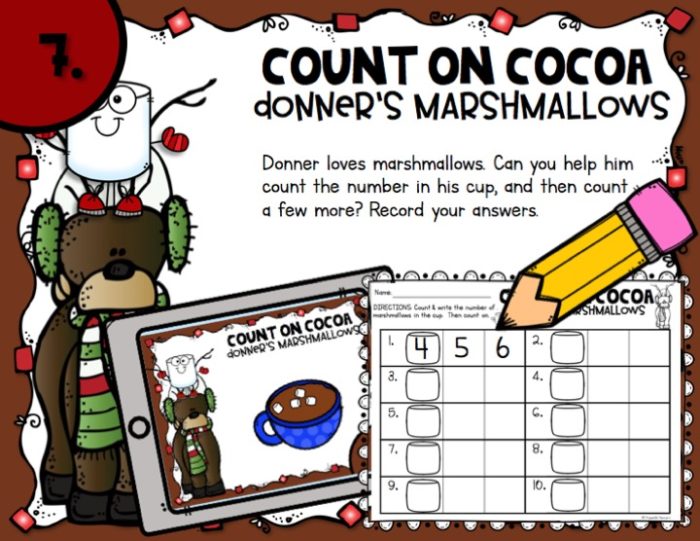 Counting what they see, numbering writing and counting on (0-12)
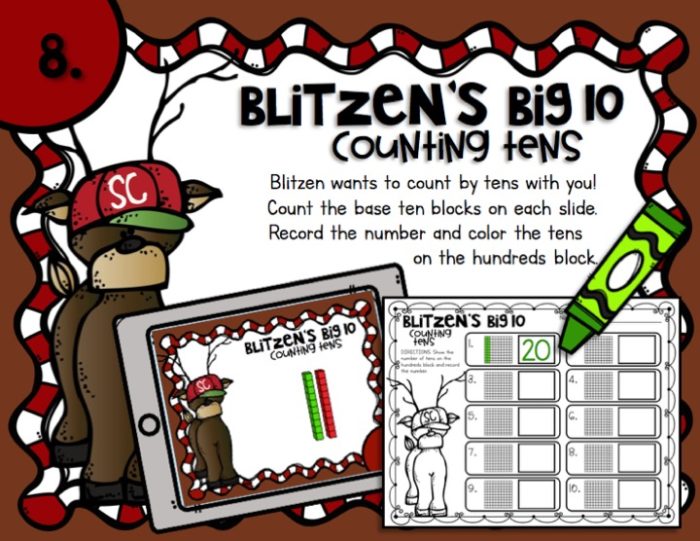 Counting by 10s; number writing and comparing to 100 (10-100)
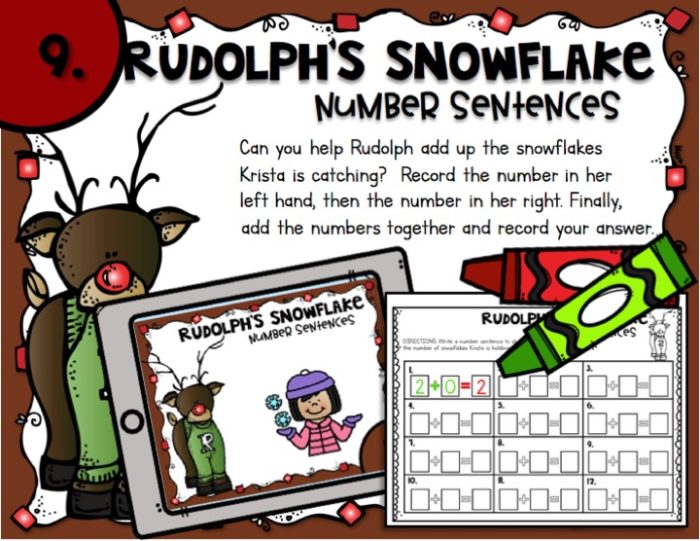 Writing addition equations to 10; left and right